Introduction: The Age of the Streaky Screen
Look around you. You are surrounded by screens, glass, and polished surfaces: your smartphone, laptop, TV, eyeglasses, and mirrors. They are the most used, yet often the most frustrating surfaces to clean. We wipe them down, step back, and are immediately confronted with a ghostly haze of streaks, smudges, and lingering fibers.
The problem isn't usually your technique or the cleaner you use; it’s the cloth.
Most common household cleaning materials—paper towels, worn-out kitchen rags, or even generic yellow microfibers—are simply not designed for the microscopic precision required by today’s smooth, high-gloss surfaces. They either scratch, push dirt around, or, worst of all, shed lint.
This article reveals the simple secret professional detailers, opticians, and industrial technicians use to achieve a perfect, streak-free clean every time: the engineered, lint-free cloth. We will explore the science of streak elimination and show you how to upgrade your everyday cleaning routine using professional-grade tools.
The Three Enemies of a Clear Surface
To achieve a flawless finish, you must defeat three specific types of surface contaminants:
1. Abrasive Fibers and Micro-Scratches
The texture of materials like paper towels and low-grade cotton is rough. When applied with pressure, these coarse fibers act like fine-grade sandpaper, creating micro-scratches on delicate coatings (like those found on anti-glare screens and camera lenses). These scratches refract light, leading to the dull, hazy look often mistaken for a dirty screen.
2. Lint Contamination
While not abrasive, lint is highly visible. As cheap cloths wear, they release countless short, broken fibers. These cling to the surface due to static electricity, or they are left behind when the moisture from your cleaner evaporates. These little fibers are not just annoying; they are the number one cause of persistent spots and streaks, especially on dark glass.
3. Residual Oil and Grease
Our skin naturally produces oils (sebum) which transfer directly onto touchscreens and glasses. Standard cloths tend to absorb the liquid (water/cleaner) but smear the oil across the surface rather than lifting it. The streaks you see are often the result of this oily residue being spread too thinly to see immediately, but thick enough to catch the light.
Why Engineered Wipes Deliver a Flawless Finish
The high-quality, lint-free wipes used in professional settings—the same ones we discussed for print head cleaning—solve all three problems through superior engineering.
Continuous Filament Technology = Zero Lint
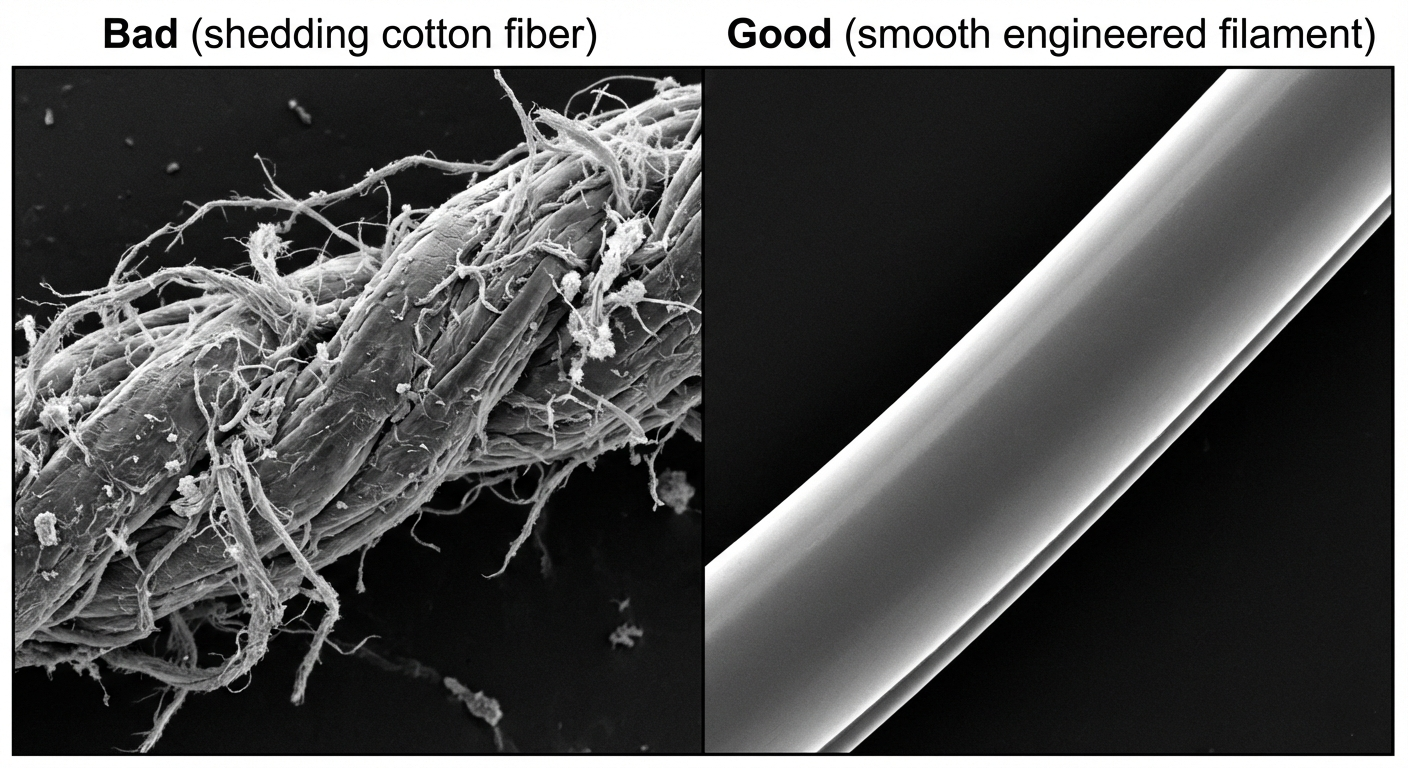
The core difference is the construction. Unlike cotton or paper, which are made of short, discontinuous fibers, a high-quality synthetic cloth (often a polyester/nylon blend) is made of continuous filaments. This construction prevents shedding under use, guaranteeing a truly lint-free clean. If no fibers are left behind, no new streaks can form from contamination.
Micro-Structure for Oil Absorption
High-density, engineered cloths feature a micro-structure designed not just to wipe, but to physically lift and trap residue. The thousands of tiny capillary spaces within the fiber structure act like microscopic sponges, pulling oily residues away from the surface and holding them deep within the cloth. This lifting action is what makes the clean streak-free.
Softness and Non-Abrasive Edges
Since the material is sealed or non-woven, there are no rough, raw edges or hard knots. The cloth glides over surfaces, eliminating the risk of scratching while still maintaining enough friction to remove debris.
Shop Our Multi-Purpose Magic Cleaning Cloths
5 Unexpected Ways Your Professional Cloth Can Elevate Your Home
While originally engineered for industrial precision, this versatile cleaning cloth is the ultimate upgrade for your home and personal items.
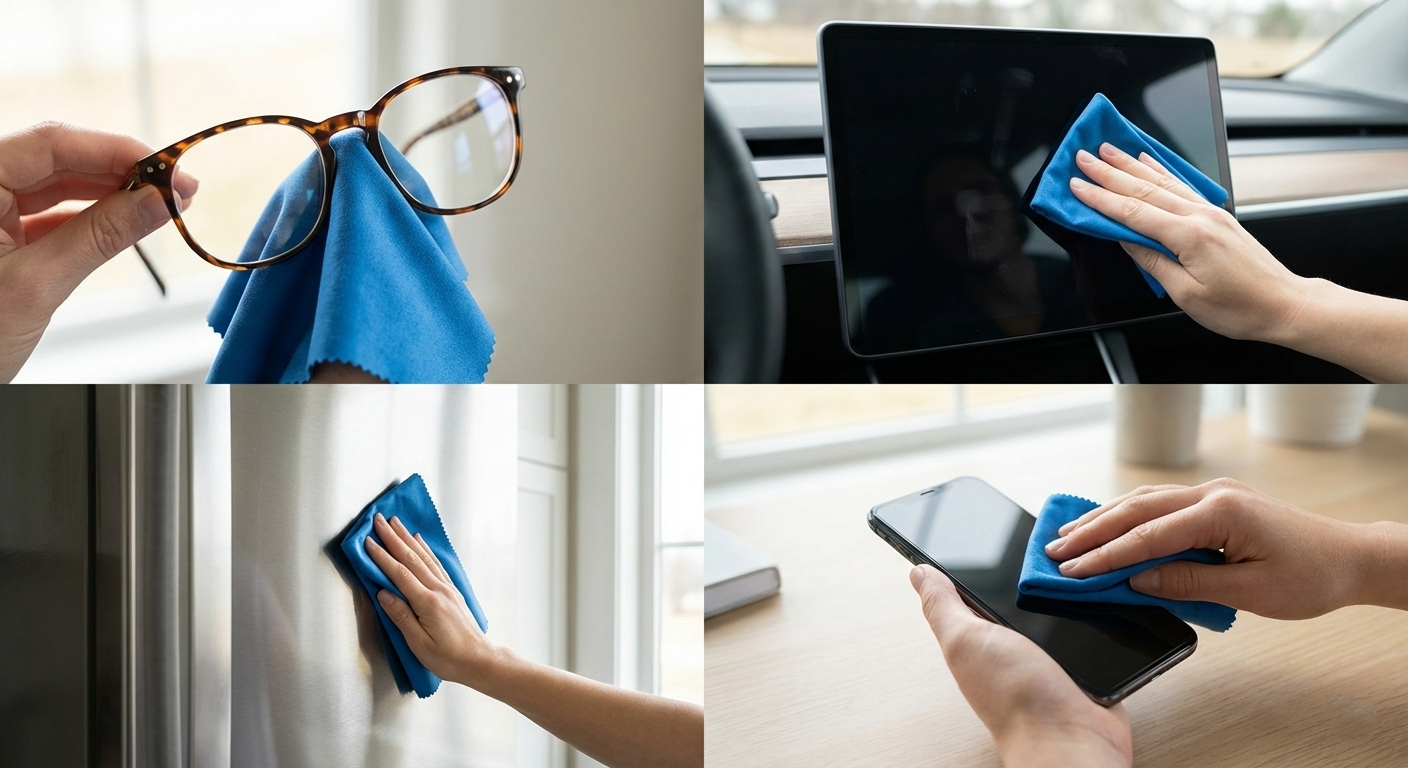
1. Camera Gear and Eyeglasses (The Critical Task)
This is where lint and scratches are most noticeable. Use your cloth dry or with a specialized lens solution. The non-abrasive nature is essential for protecting expensive coatings on lenses and filters.
2. Automotive Touchscreens and Dashboards
Modern cars are full of delicate screens and glossy plastic that scratches easily. A lint-free wipe leaves no streaks and, crucially, avoids introducing static charge which can attract dust immediately after cleaning.
3. Stainless Steel Appliances
Stainless steel is a notorious streak magnet. After using a cleaner, a final buff with a slightly damp, lint-free cloth will remove residual cleaner and leave a mirror finish without the tell-tale streaks common with towels.
4. Jewelry and Watch Faces
Dust and fingerprints dull the shine of metal and gemstones. The soft, dense fibers are perfect for polishing without scratching, restoring brilliance gently.
5. High-Gloss Furniture
Dusting high-gloss or piano-black furniture can feel impossible without leaving fibers behind. A high-quality cloth is the only way to dust and buff these surfaces to a showroom shine.
Technique Matters: Your 3-Step Streak-Free Method
Even with the best cloth, technique ensures a perfect finish.
Preparation (The Initial Wipe): Use the cloth to gently wipe away any loose, abrasive dust or crumbs first. If cleaning a screen, power it off to make smudges easier to spot.
Application (Mist, Don't Soak): If using a cleaner, always mist the cloth, not the surface. This controls the liquid and prevents it from running into seams, ports, or electronics.
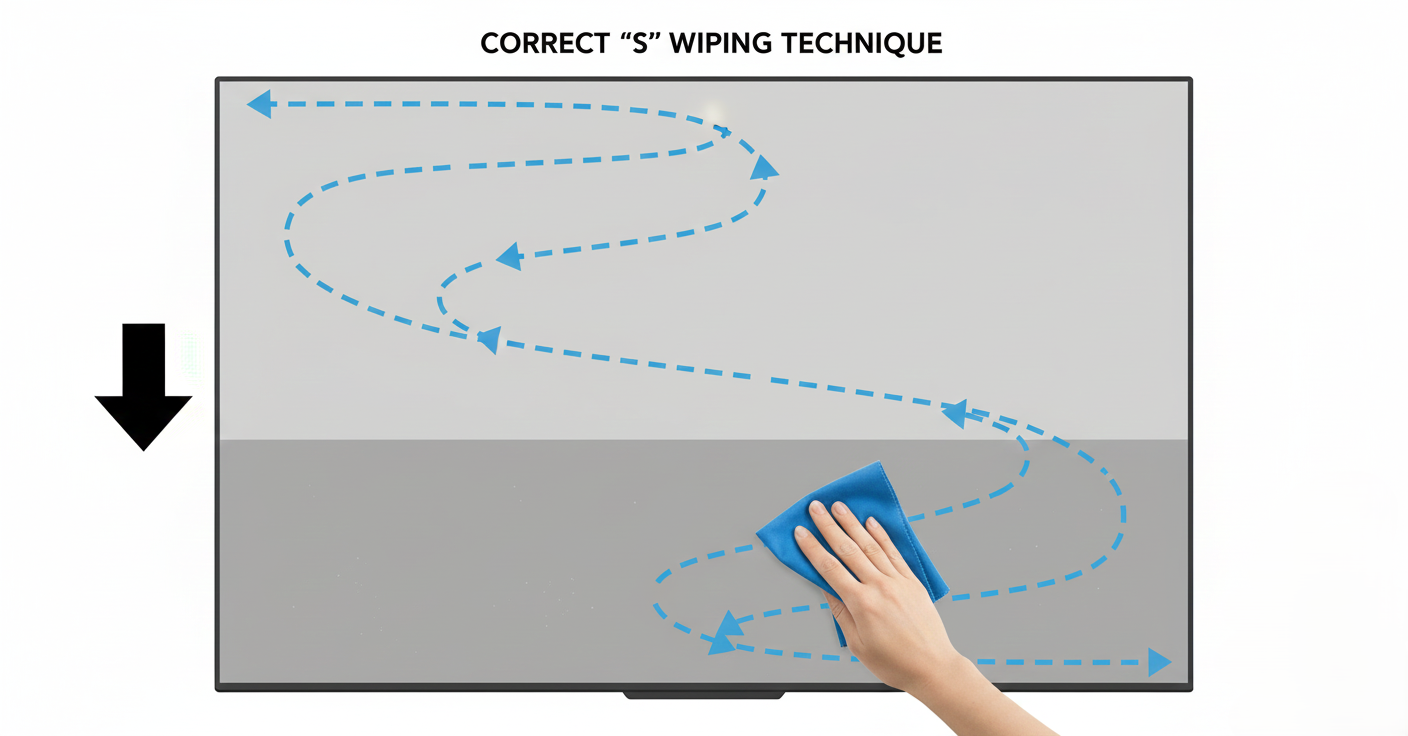
The Wipe (The "S" Pattern): Starting at one corner, use a gentle, overlapping S-pattern to cover the entire surface. If it’s a small surface (like a phone or glasses), fold the cloth into a pad and use light, even pressure. Finish with one final, gentle wipe using a dry section of the cloth to eliminate any residual moisture.
Achieve Your Best Streak-Free Clean
Conclusion and Call to Action
The frustration of streaks and smudges is a universal problem solved by a professional solution. By understanding that cleaning quality starts with the material, you can stop wasting time and money on cloths that are fundamentally flawed for modern surfaces.
Upgrade your toolkit from standard rags to a product engineered for industrial precision, offering you the same spotless results trusted by experts. Whether you are protecting an expensive camera lens or simply enjoying a clear view on your newly cleaned window, the difference is night and day.
Ready to see surfaces clearly again?